 It's About the Socks


The Different Yarns Used to Make EcoSox Socks
Posted by EcoSox on Jun 10th 2026
EcoSox is a brand renowned for its commitment to sustainability, comfort, and performance in the world of socks. One of the key factors that sets EcoSox apart is our use of eco-friendly yarns that not only provide superior comfort and durability but also minimize environmental impact.
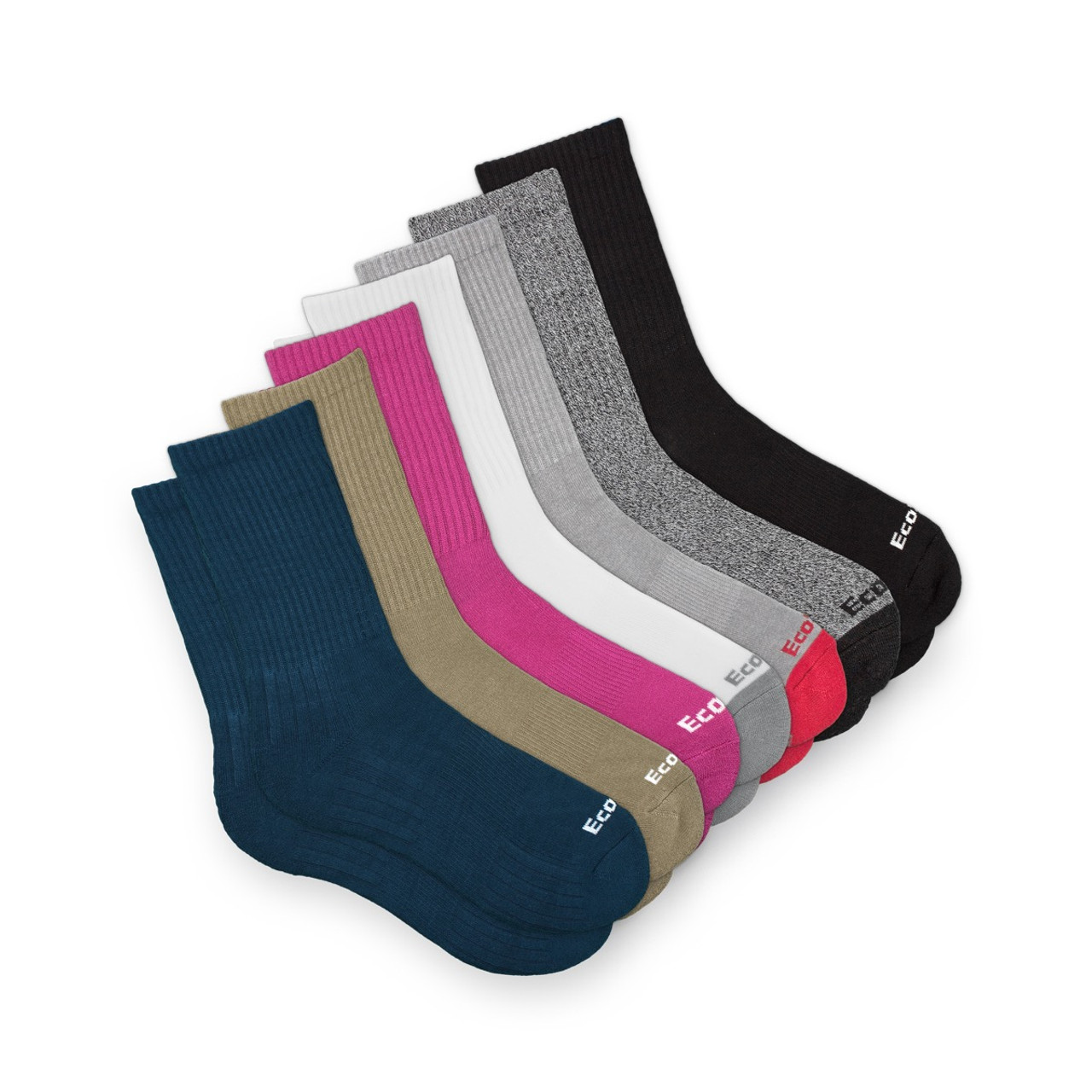
Bamboo Yarn
What is Bamboo Viscose?
Bamboo Viscose is derived from bamboo pulp, a fast-growing, renewable resource. The fibers are processed into soft, breathable yarn that is naturally antibacterial and moisture-wicking.
Benefits:
Sustainability: Bamboo grows quickly without the need for pesticides or fertilizers, making it an eco-friendly raw material.
Softness: Bamboo yarn produces socks that feel silky smooth against the skin, reducing irritation and enhancing comfort.
Antimicrobial Properties: Naturally inhibits the growth of bacteria and fungi, helping to reduce odor.
Moisture Management: Excellent at wicking moisture away from the skin, keeping feet dry and comfortable.
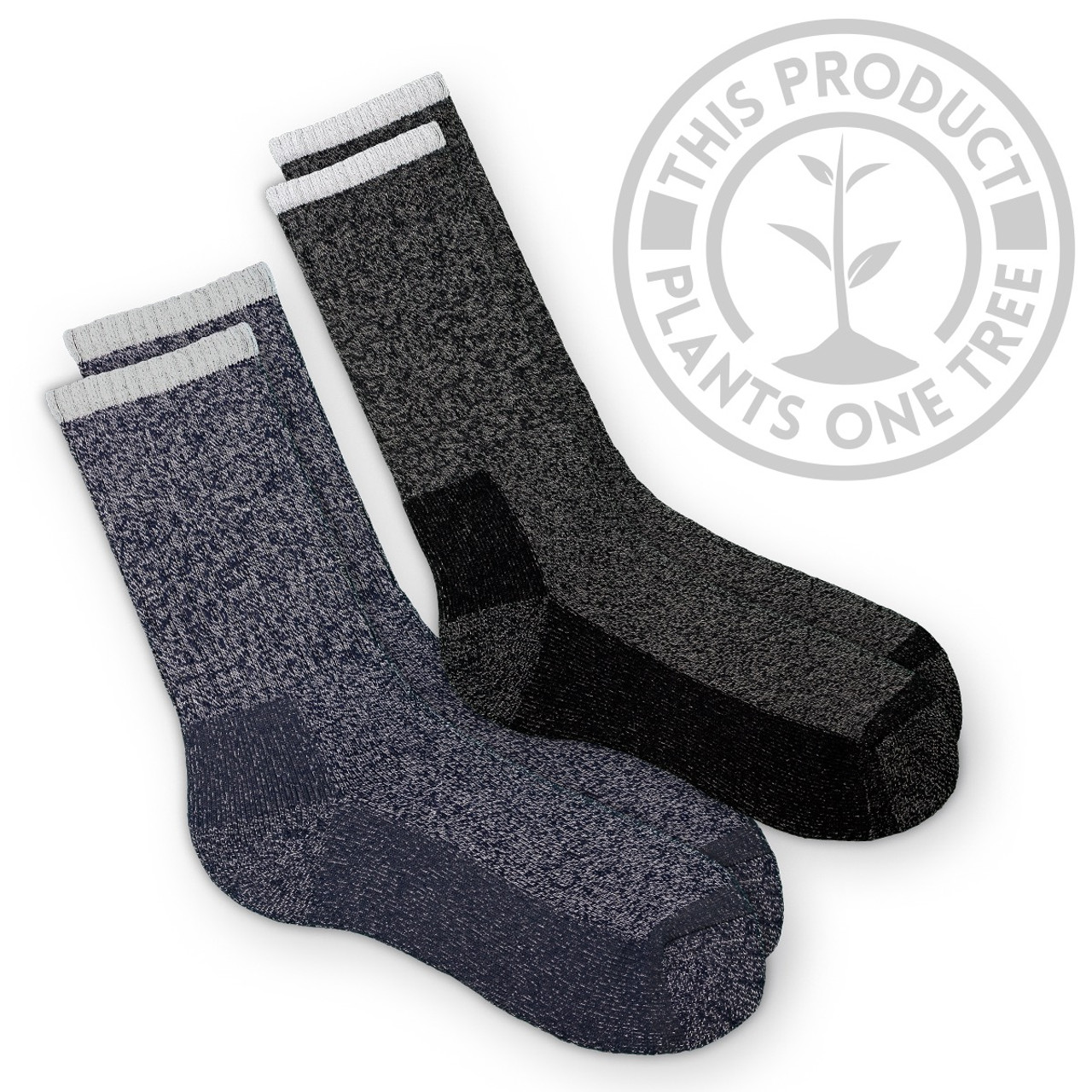
Merino Wool Yarn
What is Merino Wool?
Merino wool comes from Merino sheep and is prized for its fine, soft fibers. It is a natural, renewable resource known for its excellent insulation and moisture management.
Benefits:
Temperature Regulation: Keeps feet warm in cold weather and cool in warm weather.
Moisture Wicking: Absorbs moisture while remaining dry to the touch.
Odor Resistance: Naturally resists odor-causing bacteria.
Softness: Finer than regular wool, it is comfortable against the skin and does not itch.
Renewable and Biodegradable: Merino wool is a sustainable fiber that decomposes naturally.

Recycled Cotton Yarn
Why Use Recycled Cotton?
EcoSox socks from recycled cotton combine environmental responsibility with the natural comfort and performance of cotton, making it an excellent choice for sustainable, high-quality socks.
Benefits:
Waste Reduction: Using recycled cotton helps divert textile waste from landfills, reducing environmental pollution.
Resource Conservation: Recycling cotton requires less water, energy, and chemicals compared to producing new cotton, conserving vital natural resources.
Lower Carbon Footprint: The process of recycling cotton generates fewer greenhouse gas emissions than growing and processing virgin cotton.
Promotes Textile Recycling: Using recycled cotton supports circular fashion initiatives, encourages the reuse of materials, and reduces demand for new raw fibers.

Hemp Yarn
Why Use Hemp for Socks?
The advantages of using hemp in socks are numerous, making it an excellent material choice for footwear.
Benefits:
Durability: Hemp fibers are among the strongest natural fibers, making hemp socks more durable and longer-lasting than those made from many other materials.
Moisture Management: Hemp naturally wicks moisture away, keeping feet dry and comfortable throughout the day.
Breathability: Hemp fibers allow excellent airflow, making the socks breathable and helping keep feet cool in warm weather and warm in cooler conditions.
Sustainability: Hemp is a sustainable, eco-friendly crop that requires fewer pesticides and less water than cotton, making hemp socks a more environmentally responsible choice.
Why EcoSox Chooses These Yarns
EcoSox’s choice of yarns reflects an earth-conscious approach to sustainability and performance. By combining natural and recycled fibers, EcoSox creates socks that are not only comfortable and durable but also environmentally responsible.
Reduced environmental footprint through sustainable sourcing and production.
Enhanced comfort and health benefits for the wearer.
Longevity and durability to reduce waste from frequent replacements.
Choosing EcoSox means investing in quality socks that care for your feet and the planet. If you’re looking for socks that combine comfort, performance, and environmental responsibility, EcoSox’s yarn selection is a perfect example of how innovation and sustainability can go hand in hand.